
How to Understand IP55 Protection Ratings Easily
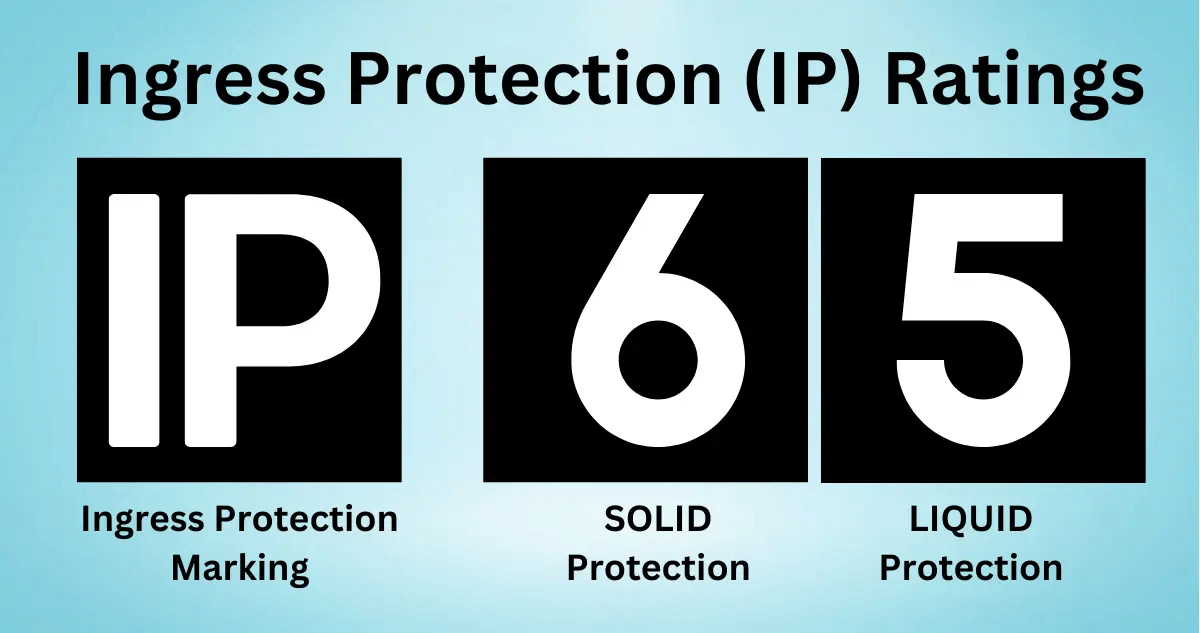
Understanding IP ratings is essential when choosing electronics, machinery, outdoor equipment, and industrial devices. Many products today come with an IP code, but most people don’t really know what it means. One of the most commonly seen terms is IP55, and knowing its meaning helps you make smarter, safer, and more cost-effective purchasing decisions. If you want a simple explanation of what this rating means in real-world use, visiting resources like IP55 protection meaning can be incredibly helpful, but let’s break it down clearly step by step here.
What Is an IP Rating?
IP stands for Ingress Protection or International Protection Marking. These ratings are defined by IEC (International Electrotechnical Commission) standards to classify how well a device is protected against solid particles like dust and liquids like water. Each IP rating consists of two digits:
First digit – protection against solid objects and dust
Second digit – protection against moisture and water
So when you see IP55, each “5” carries a specific meaning.
What Does the First “5” in IP55 Mean?
The first 5 indicates protection against dust and solid particles. More specifically, a device with the first digit 5 is:
Protected against limited dust ingress
Dust will not interfere with normal device operation
Not completely dustproof, but well protected
This is particularly important for industries where dust exposure is common, such as:
Construction environments
Warehouses
Factories and production plants
Outdoor installations
Agriculture settings
In simple terms, IP55 ensures that enough dust is kept out so the device remains functional and reliable even in tougher environments.
What Does the Second “5” in IP55 Mean?
The second 5 refers to water protection. A product rated IP55 is protected against water jets from any direction. That means:
It can handle low to moderate water pressure
It can withstand rain, splashes, and water sprays
It is suitable for outdoor use and wet environments
However, IP55 is not fully waterproof. It is not designed for:
Full water immersion
Deep underwater usage
Heavy continuous high-pressure water exposure
This is why choosing the right IP rating based on your environment and usage needs is important.
Where Is IP55 Commonly Used?
Because IP55 balances dust and water protection well, it is widely used in many industries and consumer applications. Some common examples include:
Outdoor Lighting
Street lights, garden lights, and architectural lighting often use IP55 to survive rain, dust, and environmental exposure.
Household and Industrial Fans
Ventilation systems, exhaust systems, and fans in factories often come with IP55 protection.
Electrical Cabinets
Control panels and electrical distribution boxes use IP55 to remain safe in harsh work environments.
Outdoor Electrical Equipment
Generators, outdoor sockets, and machinery often require this level of protection for safe operation.
Small Machines and Appliances
Certain washing equipment, pumps, and motors are often built to IP55 standards.
This rating ensures durability without overengineering, making it cost-efficient and reliable.
IP55 vs IP54 vs IP65 – What’s the Difference?
People often compare IP55 with other similar ratings. Understanding the difference helps choose the right product.
IP55 vs IP54
IP54 offers protection against dust (limited ingress) and splashing water.
IP55 offers better water protection because it can withstand water jets, not just splashes.
That means IP55 is slightly more robust than IP54.
IP55 vs IP65
IP65 offers complete dust protection (dust-tight) and protection against water jets.
IP55 allows limited dust ingress but prevents damage.
So IP65 is stronger, but also usually more expensive. If your environment is extremely dusty or exposed to stronger water pressure, IP65 might be necessary. Otherwise, IP55 is often more than enough.
Why Does IP55 Matter for Buyers?
If you’re purchasing equipment, understanding IP ratings prevents you from:
Buying under-protected devices that fail quickly
Spending too much on unnecessary over-protection
Using unsafe equipment in dangerous environments
Businesses especially benefit from choosing the right protection level because it helps:
Reduce maintenance costs
Extend product lifespan
Improve safety and reliability
Avoid costly replacements and downtime
That’s why industries that prioritize safety and efficiency always pay attention to IP ratings before buying.
Is IP55 Waterproof?
This is one of the most common questions. The simple answer is:
No, IP55 is water-resistant, not waterproof.
Waterproof devices are usually rated IP67 or IP68, which are designed for immersion under water. IP55 is meant for water exposure, not underwater use.
So if your application involves:
Swimming pools
Submerged pumps
Diving equipment
Marine electronics
Then IP55 is not enough; you need higher ratings.
Benefits of Using IP55 Equipment
Choosing IP55-rated devices offers several benefits:
Reliable performance in dusty environments
Strong resistance to rain and water spray
Suitable for outdoor and industrial conditions
Cost-effective protection level
Increased durability and longevity
It gives an excellent balance between protection and affordability, making it an industry favorite.
Limitations of IP55
Even though IP55 is strong, it does have limitations. Understanding them helps avoid misuse.
Not fully dust-tight
Not suitable for underwater applications
Not ideal for extremely high-pressure water exposure
Can still be damaged with prolonged harsh conditions
Always match the IP rating to the working environment to ensure maximum performance.
Tips for Choosing the Right IP Rating
When selecting equipment, ask yourself these questions:
Will the device be used outdoors or indoors?
Will it be exposed to water, rain, or cleaning sprays?
Is the environment dusty or industrial?
Do local regulations require a specific protection level?
What is the expected lifespan of the equipment?
If the environment includes moderate dust and occasional water exposure, IP55 is usually ideal.
Final Thoughts
IP55 is one of the most reliable and commonly used protection ratings for equipment that needs to function in real-world conditions with exposure to dust and water. It ensures strong resistance without unnecessary cost, making it highly popular in both residential and industrial applications. For a deeper understanding of how this rating works in practice and examples of real-world products that use it, visiting trusted global sourcing resources like lianjer.com can help you make confident and informed purchasing decisions.