
How Smart Stock Investors Improve Results Through Analysis, Tracking, and Review
Stock investing has long been viewed as a pathway to financial growth, yet consistent success remains difficult for many participants. Despite unprecedented access to data, platforms, and educational resources, investors continue to struggle with decision-making, emotional discipline, and performance evaluation.
The challenge is rarely a lack of information. Instead, it stems from how information is processed, applied, and reviewed over time. Investors who treat stock investing as a structured financial practice—rather than a series of isolated decisions—are far more likely to achieve stable, repeatable results.
This article explores how investors can strengthen their stock investing approach through valuation awareness, earnings analysis, disciplined execution, and systematic trade tracking. It also explains why modern trading journals have become an essential tool for investors who seek clarity, accountability, and long-term improvement.
Stock Valuation Methods for Better Investment Decisions
Understanding what a stock is worth is central to making informed investment decisions. While prices fluctuate constantly, valuation provides context that helps investors distinguish opportunity from speculation.
Fundamental Valuation Models Explained
Stock valuation models aim to estimate a company’s intrinsic value based on financial performance and future expectations. Common approaches include discounted cash flow analysis, earnings multiples, and comparative valuation.
These models do not predict short-term price movement, but they help investors understand whether a stock is priced reasonably relative to its fundamentals. This perspective reduces the likelihood of chasing momentum or reacting emotionally to market noise.
Valuation and Market Expectations
Markets often price stocks based on expectations rather than current performance. A company with strong earnings may still decline if results fail to meet expectations. Conversely, weaker companies may rise if outlook improves.
Investors who track valuation alongside expectations develop a more balanced perspective. This helps them align entries and exits with realistic scenarios rather than headlines or short-term sentiment.
Earnings Reports and Stock Price Reactions
Corporate earnings announcements are among the most influential events in stock markets. They provide insight into a company’s financial health and often trigger significant price movement.
How Earnings Affect Stock Prices
Earnings reports summarize revenue, profitability, and forward guidance. Even small deviations from expectations can lead to sharp price reactions, especially for widely followed stocks.
Understanding how a stock has historically reacted to earnings allows investors to manage risk more effectively. Some investors avoid holding positions through earnings, while others specialize in post-earnings setups.
Interpreting Financial Statements
Beyond headline numbers, financial statements reveal trends in margins, costs, and cash flow. Investors who review these details gain a deeper understanding of business quality and sustainability.
Over time, documenting how earnings-related decisions perform helps investors refine their approach and avoid repeating costly mistakes.
Dividend Investing Strategies for Long-Term Growth
Dividend investing remains a popular strategy for those seeking income and stability. Dividends can provide consistent returns regardless of short-term market fluctuations.
Dividend Yield and Payout Ratios
Dividend yield measures income relative to stock price, while payout ratios indicate sustainability. High yields may appear attractive, but they often carry higher risk if unsupported by earnings.
Investors who track dividend metrics alongside price performance gain a clearer picture of risk-adjusted returns.
Reinvesting Dividends and Compounding
Dividend reinvestment accelerates compounding over time. By reinvesting payouts, investors increase share count and long-term growth potential.
Tracking reinvestment outcomes helps investors assess whether dividend strategies align with their financial goals.
Risk Management Techniques for Stock Investors
Risk management is essential for protecting capital and maintaining confidence. Without it, even strong investment ideas can lead to significant losses.
Portfolio Risk and Diversification
Diversification reduces reliance on a single stock, sector, or theme. While it does not eliminate risk, it smooths returns and mitigates extreme outcomes.
Investors who document portfolio allocation over time can identify unintended concentration and adjust proactively.
Managing Drawdowns in Equity Investments
Drawdowns are inevitable, but their severity depends on risk exposure. Investors who monitor drawdowns and adjust position sizing preserve capital and emotional stability.
Tracking drawdown data over time provides valuable insight into strategy resilience.
Behavioral Finance and Investor Psychology
Investor behavior plays a critical role in financial outcomes. Emotions often drive decisions more than analysis.
Common Psychological Traps in Investing
Loss aversion, overconfidence, and confirmation bias frequently distort judgment. These biases cause investors to hold losing positions too long or abandon sound strategies prematurely.
Awareness alone is insufficient. Objective review is necessary to counteract behavioral patterns.
Emotional Discipline and Consistency
Emotional discipline allows investors to follow plans even during uncertainty. This discipline is reinforced through structured review and documentation.
By examining past behavior, investors gain insight into emotional triggers and learn to respond more rationally.
Why Investment Journals Matter in Stock Trading
An investment journal is a structured record of decisions, outcomes, and reasoning. It bridges the gap between experience and improvement.
Tracking Investment Decisions Over Time
Documenting entry rationale, exit decisions, and position size creates accountability. Over time, patterns emerge that highlight strengths and weaknesses.
Without records, investors rely on selective memory, which often exaggerates success and minimizes mistakes.
Measuring Performance Objectively
Performance metrics such as return consistency, volatility, and risk-adjusted results provide clarity. These metrics help investors determine whether success is driven by skill or favorable conditions.
Objective measurement enables informed adjustments rather than emotional reactions.
The Rise of Digital Trading Journals
As markets become more complex, manual tracking methods are increasingly insufficient. Digital journals provide automation and deeper insights.
Automated Trade Tracking and Analytics
Modern platforms import trades directly from brokers, reducing errors and saving time. Automated calculations allow investors to focus on analysis rather than administration.
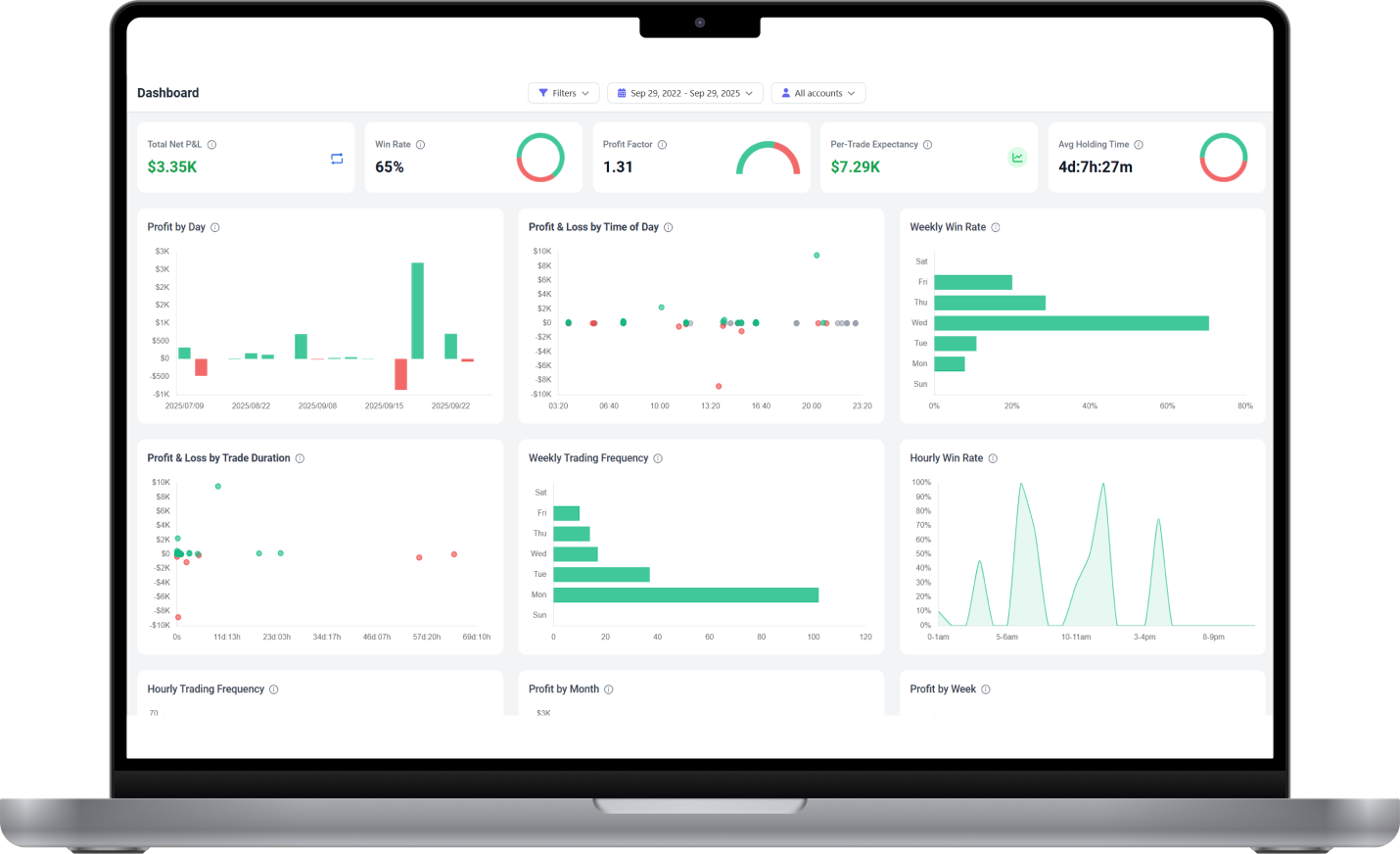
Visual analytics make performance trends easier to interpret and act upon.
Turning Data Into Insight
Raw data has limited value without interpretation. Advanced journals transform data into insights that support better decisions.
Tools like tradebb help investors analyze trades, understand behavior patterns, and improve execution through structured review.
For investors seeking a reliable and efficient journaling solution, https://www.tradebb.ai/ provides a platform designed to support clarity, accountability, and disciplined decision-making.
Reviewing Investment Performance Regularly
Review is the foundation of continuous improvement. Without it, mistakes are repeated and progress stalls.
Monthly Investment Review Process
Monthly reviews focus on alignment with strategy, risk exposure, and behavioral consistency. These reviews reveal whether decisions match intentions.
They also reinforce positive habits and highlight areas for refinement.
Long-Term Strategy Evaluation
Quarterly and annual reviews assess whether strategies perform as expected across different market environments. This long-term perspective prevents overreaction to short-term volatility.
Documented review supports rational, evidence-based adjustments.
Responsible Investing in Volatile Markets
Financial markets are unpredictable. Responsible investing requires preparation, patience, and realistic expectations.
Avoiding Speculative Decision-Making
Speculation often arises from impatience or fear of missing out. Investors who rely on documented strategies and review processes are less likely to chase trends.
Journals provide historical context that tempers impulsive behavior.
Building Sustainable Investment Habits
Sustainable investing prioritizes process over outcomes. Investors who focus on consistency and learning are better positioned to navigate uncertainty.
Structured tracking reinforces this mindset and supports long-term success.
Conclusion: Strengthening Stock Investing Through Structure
Successful stock investing is not defined by individual wins or losses, but by consistency over time. Structure, discipline, and review transform market participation into a repeatable financial practice.
Investment journals play a central role in this transformation. By documenting decisions, measuring outcomes, and reviewing performance objectively, investors build insight that compounds alongside capital.
With the support of modern journaling tools, investors can approach stock markets with clarity, accountability, and confidence—qualities that matter far more than any single trade.