
Home Additions Near Me: Expert Solutions to Expand Your Living Space
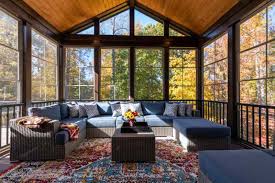
Finding reliable home additions near me is key to expanding living space efficiently and within budget. Many homeowners start by requesting multiple quotes from qualified professionals to compare prices and services. A typical home addition can cost between $21,000 and $74,000, depending on size, design, and location.
Home additions allow residents to adapt their homes for growing families, aging relatives, or lifestyle improvements without relocating. From single-room extensions to multi-level additions, numerous options are available to customize living spaces. Local contractors often provide design-build services, ensuring seamless integration with the existing structure.
Choosing the right contractor involves reviewing customer feedback, portfolios, and TrustScores to find trustworthy professionals. Homeowners benefit from experienced builders who manage every detail, from planning to completion, to deliver a satisfactory result.
Choosing the Right Home Additions Near Me
Selecting the appropriate home addition requires careful consideration of local professionals, legal requirements, and financial planning. Each factor impacts the quality, timeline, and overall success of the project.
Evaluating Local Contractors
Finding reliable contractors starts with thorough research. Checking reviews, customer ratings, and past projects is essential to assess quality and reliability. Trusted platforms often provide TrustScores and detailed feedback from previous clients.
Interviewing several contractors allows comparison of experience, licensing, and specialization. It is important to verify if they have expertise with the specific type of addition desired. Requesting detailed quotes and timelines ensures clarity before signing any agreement.
Clear communication about expectations, budget constraints, and project milestones helps prevent misunderstandings. Choosing local contractors with solid reputations in the community reduces risks related to delays or subpar work.
Understanding Permits and Regulations
Home additions usually require permits from local authorities to ensure safety and compliance with zoning laws. The scope and type of addition determine which permits are needed, such as building, electrical, or plumbing permits.
Contractors often assist in obtaining necessary approvals, but homeowners should verify the process and timeline. Ignoring permits can result in fines, forced demolition, or difficulties during resale.
Familiarity with setback requirements, height restrictions, and design codes is crucial. Consulting the local building department or a knowledgeable contractor upfront prevents costly delays and legal issues during construction.
Budgeting for Home Additions
Creating a detailed budget starts with gathering multiple detailed quotes from contractors. Beyond construction costs, include expenses for permits, design fees, materials, and unexpected contingencies.
Establish a contingency fund, typically 10-15% of the project cost, for unplanned expenses. Decide which features are priorities and where savings can be made without compromising quality.
Regularly tracking expenses throughout the project keeps spending on target. Consider the potential increase in property value but do not overextend financially. Clear budgeting reduces stress and helps complete the addition within financial limits.
Types of Home Additions and Design Considerations
Home additions vary widely, from expanded living spaces to fully separate structures. Design choices depend on the purpose of the addition, the existing home layout, budget constraints, and local building codes.
The options include simple room extensions and complex multi-level builds. Thoughtful design can enhance function while maintaining architectural harmony. Material selection and sustainability also play important roles in modern additions.
Popular Home Addition Options
Common home additions include bump-outs, room expansions that extend existing rooms like kitchens or bathrooms. They add space without major foundation work.
Garage conversions transform parking spaces into living areas, often at lower cost than building new rooms. Another choice is detached structures such as accessory dwelling units (ADUs), which provide independent living spaces.
Major additions may involve second-story expansions, adding floors above the current home to maximize vertical space. Homeowners choose options based on land availability, budget, and intended use.
Custom Design Solutions
Custom additions allow homeowners to tailor designs precisely to their needs. This includes integrating special features such as home theaters, sunrooms, or in-law suites.
Architects often focus on matching the addition’s style to the existing home to maintain visual cohesion. Structural considerations like load-bearing walls and rooflines are evaluated carefully.
Designs also address future needs, balancing immediate comfort with long-term adaptability. Contractors collaborate on ensuring permits and zoning laws support the customized plans.
Sustainable Building Materials
Using sustainable materials reduces environmental impact and can improve energy efficiency. Options include reclaimed wood, bamboo, and recycled steel, which offer durability and appeal.
Insulation choices such as spray foam or cellulose enhance thermal performance. Low-VOC paints and finishes improve indoor air quality.
Sustainable roofs, like cool roofs or green roofs, also help regulate temperature. Integration of solar panels and energy-efficient windows is common in eco-conscious additions.